Power every journey with

Electric Vehicle Tyres.

ENGINEERED FOR ELECTRIC PERFORMANCE. 

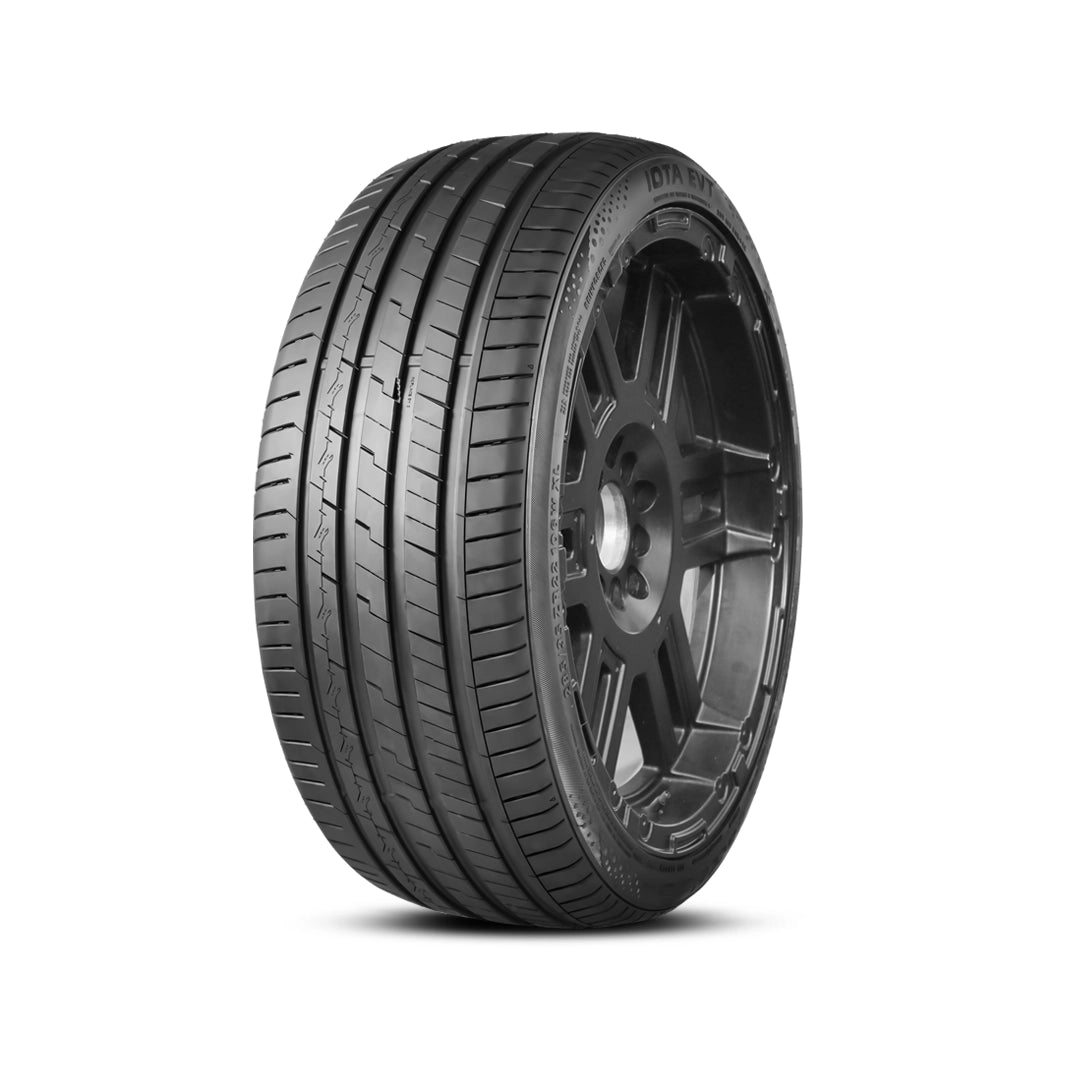
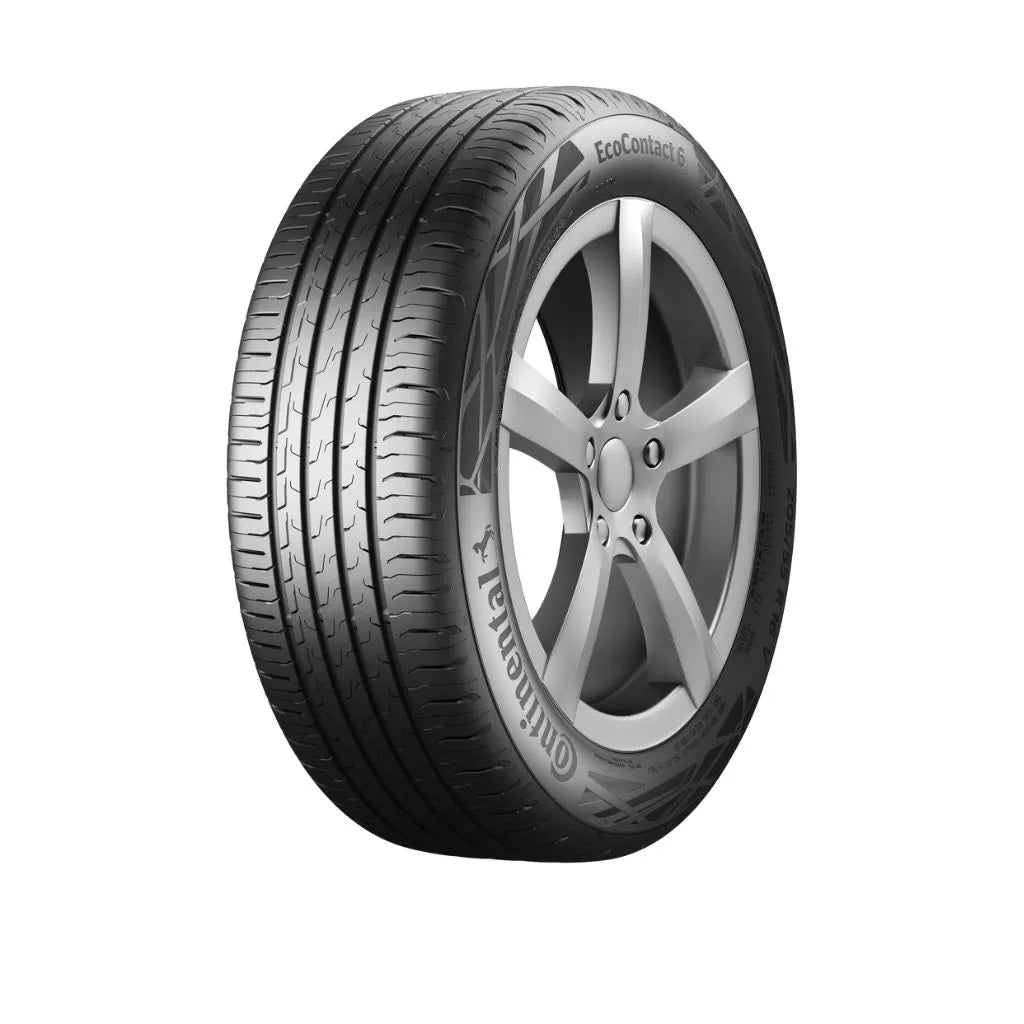
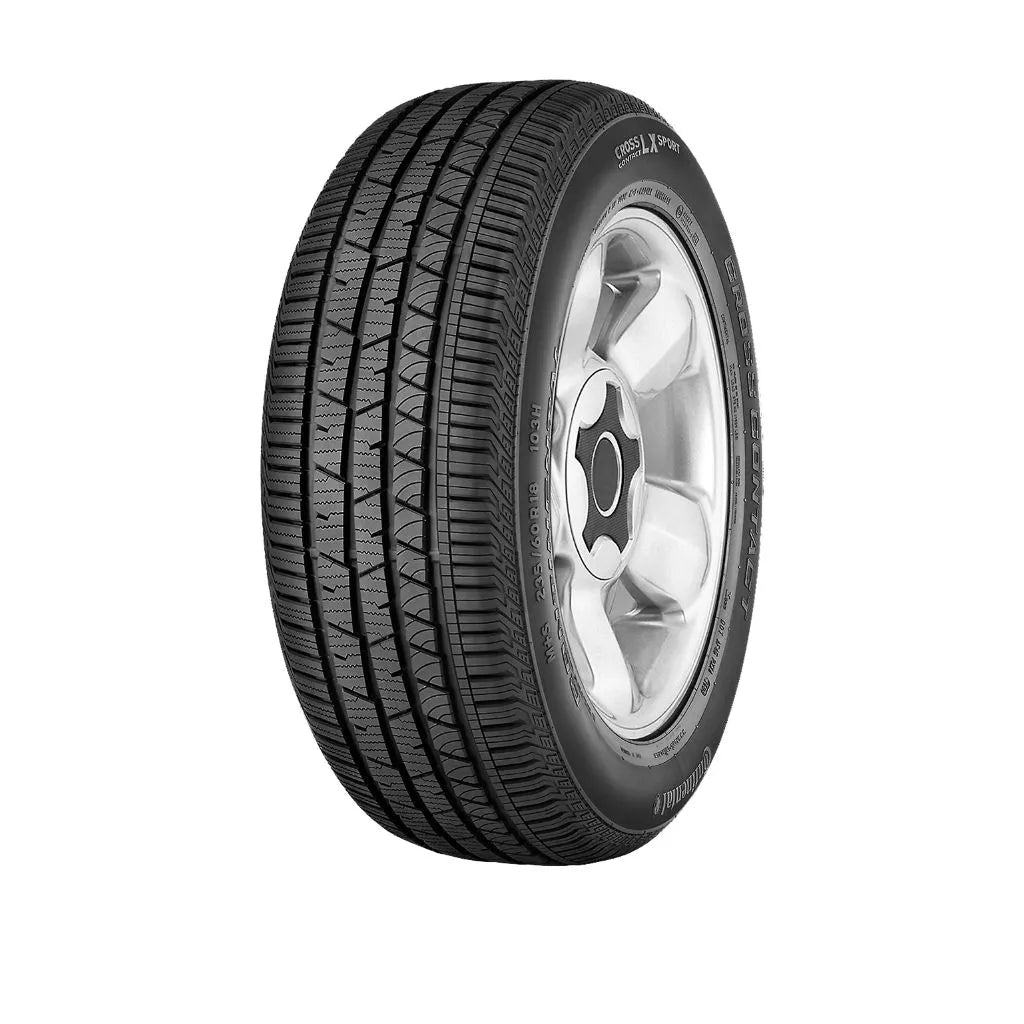
Electric Vehicle Tyres are designed specifically to meet the demands of modern electric and hybrid vehicles. Built to handle instant torque, heavier battery loads and quieter cabins, EV tyres deliver confident grip, stable handling and efficient performance across city roads and UK motorways alike. 

From smooth urban commutes to long-distance journeys, EV tyres help ensure every drive feels controlled, refined and efficient. 

REINFORCED DESIGN FOR LONG-LASTING DURABILITY. 

Electric vehicles place greater strain on tyres due to increased weight and rapid acceleration. EV tyres are constructed with reinforced structures and advanced compounds to manage this load effectively, helping reduce uneven wear and extend tyre life. 

This focus on durability makes EV tyres a dependable choice for drivers seeking consistent performance and long-term reliability. 

OPTIMISED FOR RANGE, COMFORT & CONTROL. 

EV tyres are carefully optimised to improve energy efficiency and driving comfort. Low rolling resistance helps maximise battery range, while specially designed tread patterns and noise-reduction technologies contribute to a quieter, smoother ride. 

Whether you drive a compact electric car, an electric SUV or a hybrid vehicle, EV tyres are designed to balance efficiency, safety and everyday usability. 

SMART VALUE FOR MODERN ELECTRIC DRIVING. 

Electric Vehicle Tyres offer strong long-term value by combining advanced engineering with improved efficiency and durability. While EV tyres may use specialised materials, their ability to support better range, comfort and wear performance helps deliver excellent value over time. 

For electric and hybrid drivers who prioritise performance, safety and efficiency without unnecessary compromise, EV tyres are a smart and future-ready choice. 

Electric Vehicle Tyres – FAQs

Yes, you can fit normal tyres on an electric car as long as size and load ratings match. However, EV tyres offer better efficiency, quieter driving and improved durability.

Electric tyre markings indicate that a tyre is suitable for electric vehicles. These markings often include a higher load index, HL (Heavy Load) designation, or manufacturer labels showing EV compatibility. Electric tyre markings help drivers identify tyres designed to support heavier battery weight, handle instant torque and reduce road noise.

You can know if a tyre is suitable for your EV by checking the tyre size, load index and speed rating - or use our ‘Search by Registration’ tool to view compatible EV tyres for your vehicle.

EV tyres for electronic cars can be slightly expensive due to advanced compounds, but they often deliver better value through improved efficiency and longer wear.

Yes, electric vehicles can wear tyres faster than petrol or diesel cars due to heavier battery weight and instant torque. However, tyres designed or approved for EV use are built to handle this load and power delivery, helping reduce uneven wear and extend tyre life when properly maintained.

No, EV tyres are not mandatory. If the tyre size, load index and speed rating meet your vehicle manufacturer’s requirements, standard tyres can be fitted. That said, EV tyres are recommended as they provide better efficiency, quieter driving and improved durability for electric vehicles.

The difference between XL (Extra Load) and HL (Heavy Load) tyres is the maximum weight they can safely carry. HL tyres can carry more weight than XL tyres of the same size.

HL tyres were introduced in 2021 after car manufacturers identified the need for tyres capable of supporting heavier electric and hybrid vehicles, without increasing tyre dimensions. Electric vehicle batteries add significant mass, meaning traditional XL tyres were no longer sufficient in some cases.

To solve this, the tyre industry introduced the HL marking, which appears before the tyre size and confirms a higher load capacity using the same tyre size.

Example: HL 225/45 R17 94V

Although HL tyres are widely associated with electric and hybrid vehicles, they are not exclusive to EVs. Some heavy or high-performance petrol vehicles, including models like the Mercedes-AMG C-Class, also require HL-rated tyres.

Important: Always fit the load rating specified by your vehicle manufacturer. Using XL tyres where HL tyres are required can compromise safety, handling and tyre lifespan.

No. You cannot fit just any tyre on an EV. Tyres must meet the correct size, load rating and speed rating to safely support the vehicle’s weight and performance. Using tyres not rated for the required load can affect safety, handling and tyre lifespan.  
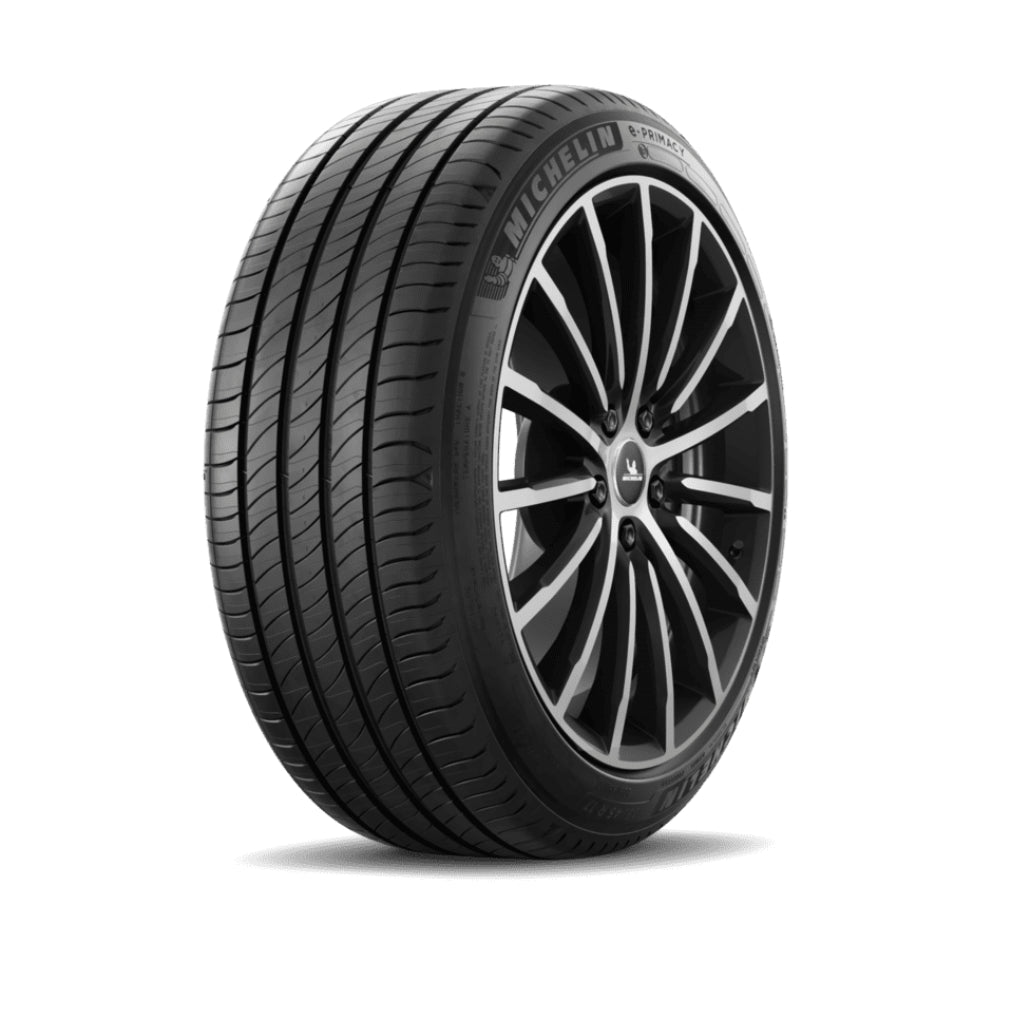
You can tell if a tyre is suitable for EV use by checking: 

  • higher load index to support battery weight 
  • Manufacturer markings such as HL (Heavy Load) 
  • Product descriptions stating EV or electric vehicle compatibility 

Using a registration checker is the easiest way to confirm compatibility for your specific EV. 

EVc is a marking used by some manufacturers to indicate a tyre is designed or optimised for electric vehicles. It typically refers to tyres engineered to handle higher weight, reduce rolling resistance and lower road noise, making them more suitable for EV driving conditions.